How to set up Pixel and Conversions API, run catalog and Advantage+ campaigns, and handle COD, RTO and attribution for Pakistani online stores.
The short answer: Meta ads work for Pakistani e-commerce brands when three things are in place before you scale spend: clean conversion tracking (Pixel plus Conversions API), a product catalog that is actually maintained, and an operations layer that deals with cash on delivery (COD) returns. Most accounts that struggle are not losing on creative or targeting first. They are losing on measurement and on orders that never get accepted at the door. This playbook covers the setup and habits we recommend, without promising results, because results depend on your product, margin and delivery quality.
1. Set up the account and tracking properly
Start with a Meta Business Portfolio (formerly Business Manager) that you own, not one owned by a freelancer or agency. Add the ad account, the Facebook Page, the Instagram account and the dataset (pixel) inside it, and give partners access as partners rather than sharing logins. Turn on two-factor authentication for every admin.
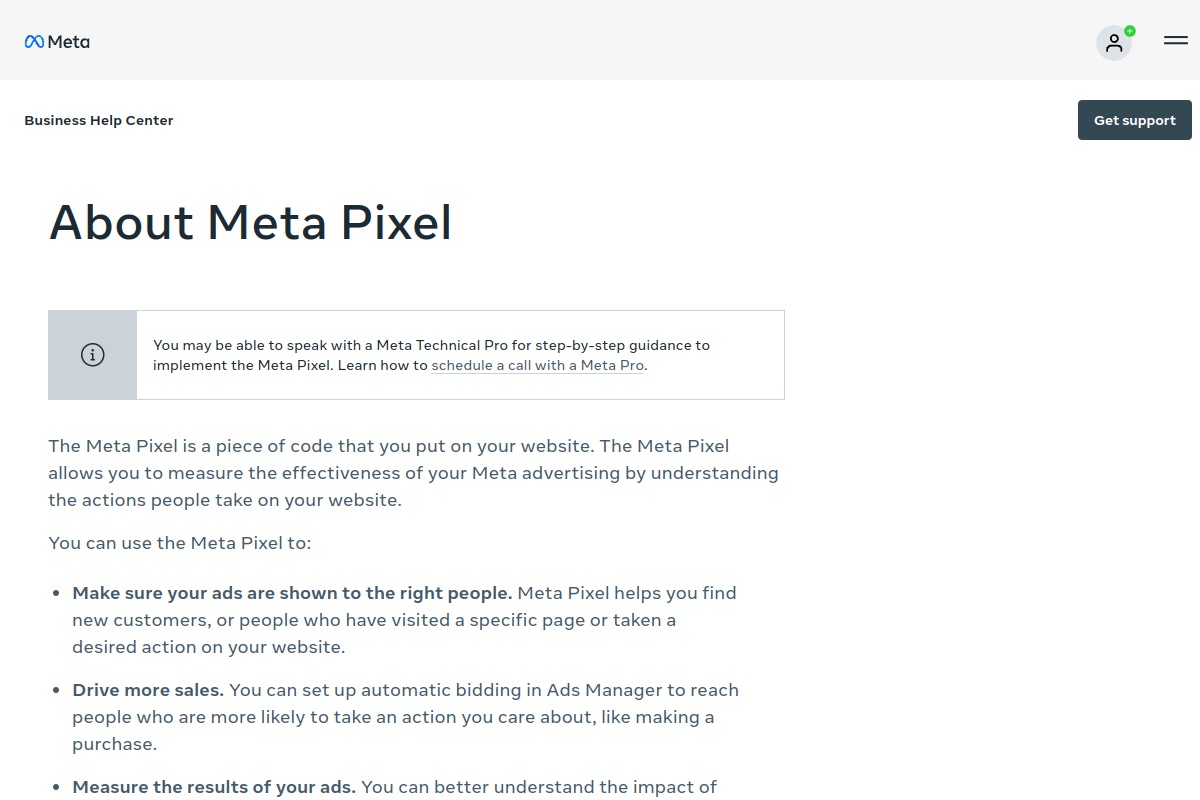
The Meta Pixel is code on your site that records actions such as ViewContent, AddToCart, InitiateCheckout and Purchase. On its own it is increasingly incomplete, because browsers and ad blockers drop some browser-side events. That is why Meta also offers the Conversions API (CAPI), which sends the same events from your server.
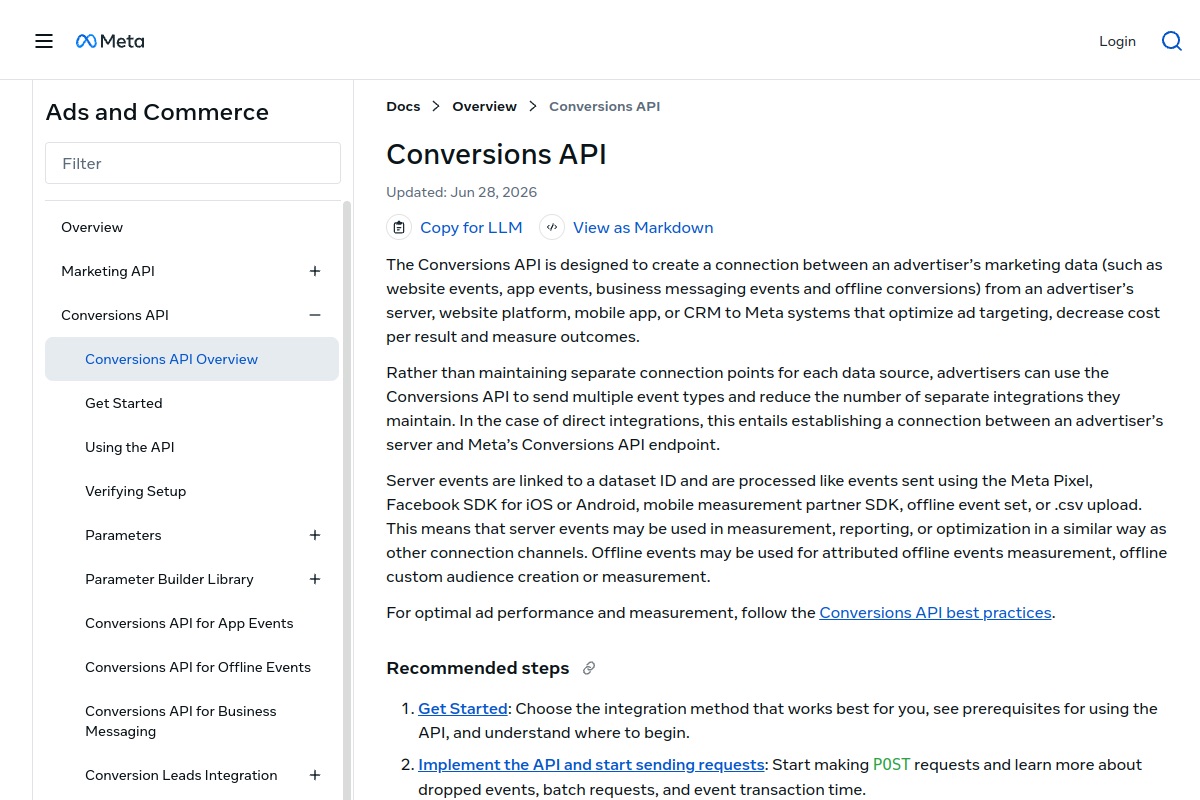
Practical setup notes:
- Send both browser and server events and pass a shared
event_idso Meta can deduplicate them. Without deduplication you can double count purchases. - Use the native integration where it exists. Shopify and WooCommerce both have Meta integrations that handle most of this. For a custom Laravel or Node store, send the Purchase event from the server after the order is saved.
- Pass customer parameters (hashed email and phone, where you have consent) to improve event matching. Check the Event Match Quality indicator in Events Manager.
- Verify with Test Events in Events Manager before spending anything.
- Verify your domain and configure your priority events so the account is not limited in what it can optimise for.
2. Decide what counts as a conversion in a COD market
This is the single biggest local difference. In Pakistan a large share of online orders is placed with cash on delivery, so a "Purchase" fired at checkout is an intention, not revenue. If you optimise for it blindly, Meta learns to find people who place orders, including people who will refuse the parcel.
Two approaches work well:
- Confirm first, then fire the event. Trigger the Purchase (or a custom "ConfirmedOrder") server-side only after the order is verified by call or WhatsApp. This gives Meta a cleaner signal, at the cost of fewer events and slower learning.
- Feed back delivered orders. Upload delivered or returned status through CAPI or offline events so you can compare ad sets on delivered revenue rather than placed orders.
WhatsApp confirmation and RTO
Return to origin (RTO) is the cost every COD seller carries: you pay for outbound shipping, packing and often return shipping, and the stock is tied up. A simple confirmation flow reduces this: after checkout, send a WhatsApp message (through the WhatsApp Business app for low volume or the WhatsApp Business Platform for automation) asking the customer to confirm the address and order. Unconfirmed orders are held rather than shipped. Track RTO rate by campaign, city and product, not just overall, because one product or one audience can hide most of the problem.
3. Catalog and Advantage+ shopping
A catalog is the feed of your products (title, image, price, availability, link) that powers dynamic ads. Keep it healthy: accurate stock, consistent prices with your site, clear white-background or lifestyle images, and product titles that say what the item is. Broken or out-of-stock items waste spend on ads that cannot convert.
Meta's Advantage+ shopping (now presented under its Advantage+ sales campaign set-up) lets Meta's automation handle audience and placement, using your catalog and creatives. It usually suits brands with a working pixel, several products and enough conversion volume. For a brand-new store with almost no data, start with a simpler conversion campaign and move up once the signal is there. Meta changes campaign names and options regularly, so check what Ads Manager currently offers rather than following a screenshot from last year.
4. Creative testing that produces learning
Creative is now the main targeting lever. Broad audiences let the delivery system find buyers, and your creative decides who stops scrolling.
- Test one variable at a time: hook (first three seconds), angle (price, quality, social proof, problem/solution), format (video, carousel, static) or offer.
- Use real content: unboxing, customer messages (with permission), cash-on-delivery reassurance, size guides, close-ups in natural light. Polished stock-style ads often underperform phone-shot demonstrations.
- Write for the local buyer: price shown clearly, delivery time, COD availability, easy exchange terms, and Urdu or Roman Urdu where your customers actually speak it.
- Keep a testing log: hypothesis, creative, spend, result, decision. Otherwise you will retest the same ideas.
Use Meta's public Ad Library for research. It shows ads currently running across Meta technologies, so you can see how competitors frame offers.
Note that it shows the ads, not their performance, so treat a long-running ad as a hint and not proof.
5. Budget structure
Keep the structure simple while you are small. A workable pattern:
| Layer | Purpose | Rule of thumb |
|---|---|---|
| Testing campaign | Find winning creatives and angles | Few ad sets, several ads each, judged on cost per confirmed order |
| Scaling campaign | Spend behind proven ads | Increase budgets gradually and watch delivery quality |
| Retargeting | Reach visitors, carters and past buyers | Small budget; do not let it claim credit for organic sales |
Avoid splitting a small budget across many ad sets. Each one needs enough conversions to exit the learning phase, and fragmented spending starves all of them. Set a break-even figure before you launch: work out your maximum cost per delivered order after product cost, shipping, packaging, RTO losses and payment or courier fees. Without that number you cannot tell a good campaign from a busy one.
6. Attribution pitfalls
- Platform numbers overlap. Meta, Google Analytics and your store will each report different totals. Compare trends and use your own order data as the source of truth.
- View-through and click windows change reported results. Know which window you are reading in Ads Manager.
- WhatsApp and phone orders that begin with an ad often never touch your checkout. Add a way to record source, for example a click-to-WhatsApp ad, a coded landing link, or asking "how did you find us" at confirmation.
- Retargeting inflates ROAS because those people were likely to buy anyway.
7. What to measure
- Cost per confirmed order, and cost per delivered order.
- Contribution margin after RTO, not gross revenue.
- Confirmation rate and RTO rate by campaign, city and product.
- Thumb-stop and hold rate on video, click-through rate and landing page conversion rate, as diagnostics rather than goals.
- New versus returning customer revenue, and repeat purchase rate.
- Blended marketing cost against total revenue, to sanity check platform reporting.
Frequently asked questions
How much should a Pakistani e-commerce brand spend on Meta ads?
There is no universal figure. Set a testing budget you can afford to lose while you learn, and base scale-up decisions on cost per delivered order against your break-even, not on a fixed amount.
Do I need the Conversions API if I already have the Pixel?
It is strongly recommended. Browser tracking alone misses events, and CAPI adds a server-side path, provided you deduplicate with a shared event ID.
Is Advantage+ shopping better than manual campaigns?
Not automatically. It tends to work best with good tracking, a solid catalog and existing conversion data. Test it against a manual campaign with the same creatives.
How do I reduce RTO on cash on delivery orders?
Confirm every order by WhatsApp or call, verify addresses, set clear delivery expectations in the ad and on the product page, and track returns by campaign so you can cut the sources causing them.
Need help setting this up?
We build the tracking, catalog feeds and order-confirmation workflows that make Meta ads measurable. See our services and portfolio, or talk to us about your store.