Overview
This is a software-as-a-service platform for companies that manage remote and hybrid teams. It collects activity information from employees and uses AI to turn it into insights managers can act on. We built it for a confidential client as a multi-tenant product, so many separate organisations can use the same platform while their data stays apart.
The Challenge
When people work from different places, managers lose the informal sense of how work is going. Raw activity logs do not fix that, since a list of hours and applications says little about how a team is really doing. Workforce monitoring is also sensitive: employees care what is collected, and organisations face legal and cultural expectations that differ by country. The product had to gather data reliably, respect those expectations, and present results a manager can grasp at a glance. As a multi-tenant service it also had to isolate every customer's data strictly.
Who Uses It and How
A platform administrator on the client's side onboards new organisations. Inside each organisation, an organisation admin creates teams, invites employees and decides which managers can see which reports. Team managers open the dashboard to see activity and productivity trends for their team or an individual, filtered by period.
Our Approach
We separated the platform into collection, analysis and presentation. Collection is designed to be light on the employee's machine. Analysis runs in a Python service, where data-science tooling is strongest, and turns raw activity into patterns and summaries. Presentation is a Vue.js dashboard that emphasises trends over individual events. We built accounts, teams and permission structures early, because who may see whose data is central to a product like this.
What We Built
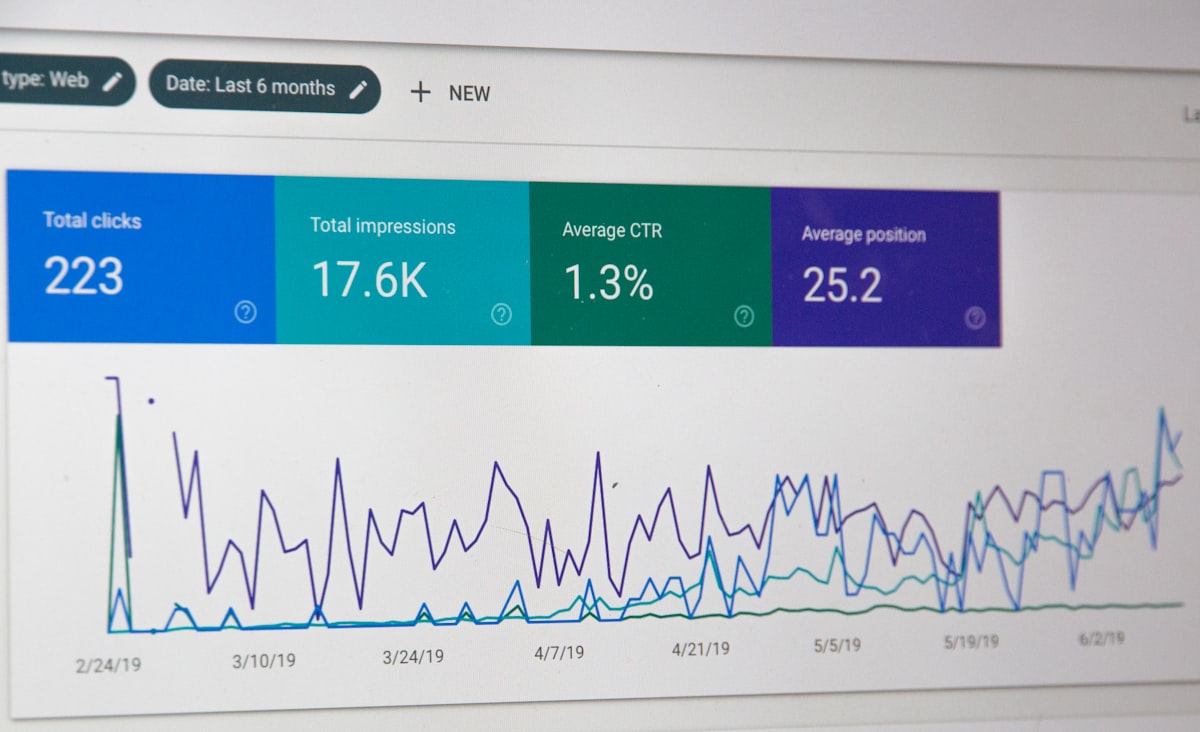
Administrators can set up an organisation, add teams and employees, and control access to reports. Managers see dashboards summarising activity and productivity patterns for individuals and teams, with filtering by person, team and period. The AI layer classifies activity and highlights patterns worth attention so managers do not read raw logs. The platform also includes the account management and organisation-level settings a SaaS product needs to be run as a service.
Architecture and Data
Every record carries an organisation identifier, and the application scopes each query by it, so one tenant cannot read another's rows even by accident. Collection components send activity to the Laravel API, which validates and stores it in MySQL. Heavy analysis is pushed out of the request cycle: batches go to the Python service, which classifies activity and writes summaries back for the dashboard to read.
Security, Privacy and Quality
Monitoring data is personal data. Depending on where employees work, laws such as GDPR can require a lawful basis, transparency and proportionality, and some jurisdictions add rules on employee monitoring, so we designed for configurable collection and clear disclosure and left legal sign-off to the client. Tenant isolation is tested directly with cross-organisation access attempts. Data is encrypted in transit, credentials are hashed, and permission checks run server-side. We favoured aggregate insight over intrusive detail, and we treat AI classifications as indicators for a manager's judgement, not verdicts on a person.
Technology
Laravel runs the core application: authentication, tenancy, permissions and the API used by the dashboard and collection components. Vue.js delivers a responsive dashboard that updates quickly as filters change. Python hosts the analysis and AI work, and MySQL stores organisational and activity data in a structured form that supports reporting.
Outcome
Managers of distributed teams get a consolidated view of activity and productivity in place of guesswork. The client has a SaaS foundation with per-organisation separation, permissions and an analysis pipeline that can be extended with new kinds of insight as the product develops.
Frequently asked questions
Is employee monitoring software legal?
It depends on the country and on how the software is used. Many jurisdictions require notice to employees, a legitimate purpose and proportionate collection, and data-protection laws may apply. Get legal advice for the countries where your staff work, and choose tools that support transparency and configurable collection.
How much does it cost to build a workforce analytics SaaS product?
Cost drivers include how much data is collected and on which operating systems, the depth of analysis, multi-tenant requirements, billing and account features, dashboards, and compliance work. Defining the first insights to deliver keeps early scope realistic.
What does multi-tenant mean in a SaaS product?
It means many customer organisations share one application while their data is kept separate through tenant identifiers and access rules. It demands careful testing so no customer can ever see another's information.
Highlights
- AI-generated productivity and activity insights for managers
- Multi-organisation SaaS with strictly separated tenant data
- Team, employee and permission management
- Dashboards with filtering by person, team and period
- Python analysis service behind a Laravel and Vue.js application
- Trend-focused reporting instead of raw activity logs